

A sports mom is defined as the primary caregiver who manages the full logistical and emotional infrastructure behind a young athlete’s participation in youth sports. You are the scheduler, the driver, the equipment manager, the snack coordinator, and the loudest voice in the bleachers, often all before 9 a.m. on a Saturday. The role goes far beyond cheering from the sideline. It requires real planning, financial awareness, emotional intelligence, and an almost superhuman ability to multitask. If you have ever wondered whether what you do every week actually has a name and a shape, it does, and it matters more than most people realize.
What is a sports mom and what does the role really involve?
A sports mom is the central figure who handles logistics, emotional support, and daily care that keeps a young athlete in the game. The term is informal, but the responsibilities it describes are very real and very demanding. In youth sports culture, the sports mom is often the person who holds the entire operation together while coaches focus on the field and athletes focus on playing.
The practical side of the role covers more ground than most people outside the experience expect. Here is what sports mom responsibilities typically look like week to week:
- Scheduling and transportation. You track practice times, game days, tournament weekends, and school conflicts, then figure out how to get everyone where they need to be on time.
- Equipment management. You know where every cleat, helmet, shin guard, and jersey is at all times. You wash them, replace them, and pack them the night before.
- Nutrition and recovery. You plan pre-game meals, pack snacks for long tournament days, and make sure your athlete is hydrated and fueled.
- Financial oversight. Registration fees, uniform costs, travel expenses, and fundraising all land on your plate. Many sports moms act as informal team treasurers.
- Emotional coaching. You read your child’s mood after a tough loss, know when to talk and when to stay quiet, and help them reset before the next game.
Coaches recognize this contribution directly. Athletes’ behavior and discipline at the club level often reflects the long-term guidance a mother provides at home. That is not a small thing. It means the work you do off the field shapes who your child becomes on it.
Pro Tip: Keep a shared digital calendar, like Google Calendar, with your athlete and any carpooling parents. Color-code by sport if you have more than one child playing. It takes 20 minutes to set up and saves hours of confusion every season.

Why do sports moms form communities?
Sports moms form communities because the role is isolating, demanding, and often misunderstood by people who have never lived it. Spending every weekend at a field or rink, managing logistics that rival a small business, and carrying the emotional weight of a child’s athletic journey is a lot to do alone. Community is not a luxury for sports moms. It is a practical tool.
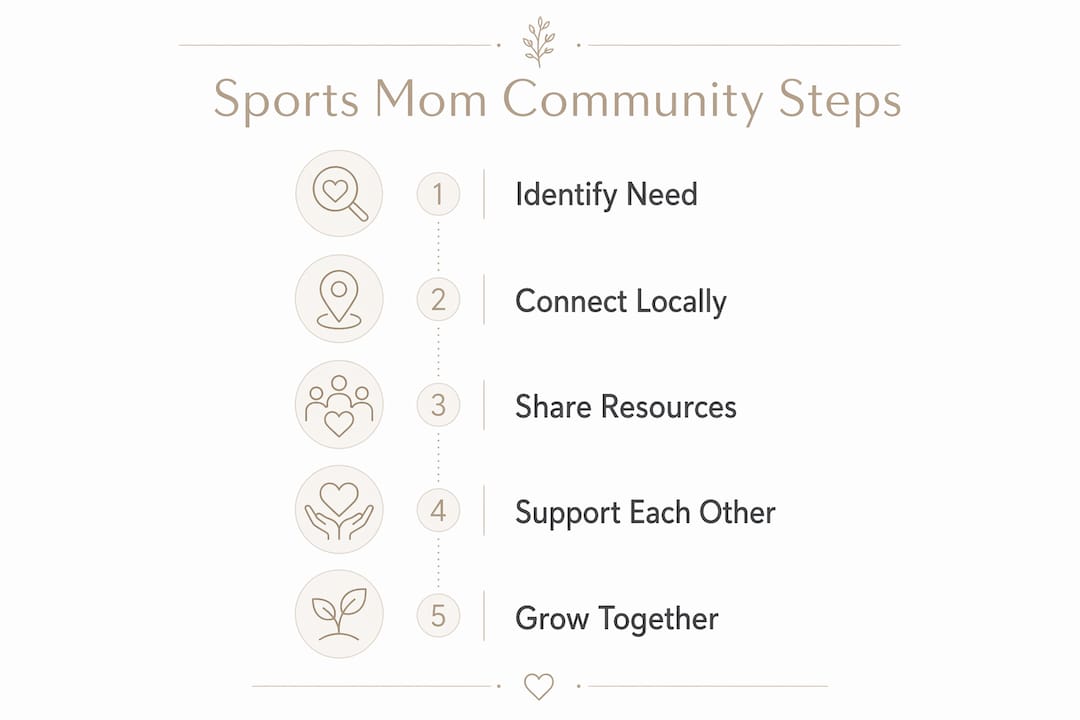
Formal groups like Black Sports Moms have grown significantly since 2025, offering sports parents education on complex topics like NIL contracts, emotional support networks, and advocacy resources. That kind of organization fills a real gap. Most sports moms are figuring out the rules of youth athletics as they go, and having a community that has already navigated those waters is genuinely useful.
The benefits of being a sports mom connected to a community include:
- Reduced isolation. Knowing other parents who understand the schedule, the pressure, and the emotional highs and lows makes the experience feel shared rather than solitary.
- Shared resources. Carpooling arrangements, equipment swaps, and fundraising ideas flow naturally through tight-knit sports mom groups.
- Advocacy and education. Groups like Black Sports Moms tackle topics like athlete rights and college recruitment, giving parents real knowledge to protect their children.
- Personal outlets. Organizations like Mom FC offer fitness and social connection specifically for sports moms, countering the burnout that comes from always giving and rarely receiving.
The evolving sports mom identity now includes self-care and community-building alongside child support. That shift is healthy and worth embracing. You cannot pour from an empty cup, and the sports moms who thrive long-term are the ones who invest in their own wellbeing alongside their child’s.
How does a sports mom’s attitude shape her child’s experience?
A sports mom’s attitude is one of the most powerful forces in a young athlete’s sports life. A child’s perception of fun in sports is largely shaped by whether the parent in the stands focuses on effort and enjoyment or on outcomes and rankings. That finding is not abstract. It plays out at every game, in every car ride home, and in every conversation after a loss.
Supportive parenting builds the resilience young athletes need to handle the inevitable setbacks of competition. A child who hears “I loved watching you play today” after a tough game processes failure very differently than one who hears a breakdown of every mistake. The first message teaches them that their value is not tied to the scoreboard. The second, even when well-intentioned, teaches them the opposite.
“The best thing a sports parent can do is make the ride home a safe place, not a film review session.” This principle, echoed by coaches and sports psychologists alike, captures what healthy sports parenting looks like in practice.
Veteran sports moms also caution against what some call “heavy equipment mom” behavior, where a parent’s identity becomes so wrapped up in their child’s athletic success that healthy boundaries erode. When that happens, the child feels pressure to perform for the parent rather than for themselves. That pressure is one of the leading reasons kids quit sports early.
Pro Tip: After a game, wait at least 20 minutes before discussing performance. Let your athlete lead the conversation. If they want to talk about what went wrong, they will. If they want to talk about dinner, follow their lead. That small habit protects the relationship and keeps sports fun.
The role of parents in baseball training and other youth sports consistently points to one truth: children perform better and stay in sports longer when their parents prioritize encouragement over evaluation. Your attitude is not background noise. It is part of the game.
What practical tools and habits help sports moms stay organized?
Staying organized as a sports mom requires systems, not just effort. The moms who make it through a full season without burning out are not working harder than everyone else. They are working smarter, with the right tools and the right gear already in place before the season starts.
Here is a numbered approach to building your sports mom system:
-
Build a sideline survival kit. Experienced sports moms carry portable chargers, a basic first aid kit for minor injuries, sunscreen, a compact canopy or umbrella, and weather-appropriate layers. A well-stocked bag means you are never caught off guard by a three-hour tournament in the rain.
-
Use a group-management tool for team finances. Platforms designed for collecting dues and tracking shared expenses take the stress out of money management. Fintech tools for team payments reduce friction, improve transparency, and prevent the awkward conversations that come from chasing down unpaid fees.
-
Set a communication boundary. Decide which hours you are available for team texts and emails, and stick to it. Constant availability leads to burnout faster than any busy schedule.
-
Batch your prep work. Pack bags the night before. Prep snacks on Sunday for the week. Lay out uniforms in advance. These small habits remove the morning chaos that makes game days feel overwhelming.
-
Protect one thing for yourself each week. Whether it is a workout, a coffee with a friend, or an hour of quiet, setting firm sports boundaries early in the season prevents identity loss and keeps you showing up as your best self.
Here is a quick reference for building your game day bag by sport type:
| Sport | Must-Have Items |
|---|---|
| Baseball/Softball | Sunscreen, folding chair, portable charger, extra hair ties |
| Soccer | Blanket, rain poncho, reusable water bottle, snack bag |
| Hockey | Hand warmers, thermos, extra socks, first aid kit |
| Basketball | Noise-canceling earbuds, phone stand for recording, light jacket |
| Volleyball | Kneepads (spare), snacks, portable fan, team schedule printout |
A personalized game day bag keeps everything in one place and makes the sideline feel a little more like your space. Small touches like that matter more than they seem on a long tournament day.
Key takeaways
A sports mom is the logistical and emotional foundation of a young athlete’s sports experience, and the role requires real systems, community support, and healthy boundaries to sustain.
| Point | Details |
|---|---|
| Core role definition | A sports mom manages scheduling, transportation, finances, equipment, and emotional support for a young athlete. |
| Attitude shapes outcomes | Focusing on effort and fun over winning builds resilience and keeps children in sports longer. |
| Community reduces burnout | Groups like Black Sports Moms and Mom FC provide education, advocacy, and personal outlets for sports moms. |
| Systems beat effort alone | Sideline kits, group-management tools, and batched prep work reduce stress across the full season. |
| Self-care is part of the job | Setting boundaries and protecting personal time prevents identity loss and sustains long-term involvement. |
What I have learned from years on the sideline
I used to think being a great sports mom meant being the most prepared, the most present, and the most involved parent at every event. I showed up early, stayed late, knew every player’s name, and volunteered for everything. What I did not realize until much later was that I had confused busyness with effectiveness.
The shift that changed everything for me was learning to separate my identity from my child’s performance. When they played well, I felt great. When they struggled, I carried it home. That is not support. That is entanglement. And it puts an invisible weight on your athlete that they should never have to carry.
What actually helps is being steady. Not loud, not anxious, not over-invested. Steady. Your child looks into the stands and reads your face before they read the scoreboard. If you look calm and proud regardless of the score, they feel safe to take risks and make mistakes. That is where growth happens.
The other thing I wish someone had told me earlier: find your people. The sports moms who get it, who have been through the travel tournaments and the heartbreaking losses and the politics of team selection, are worth their weight in gold. Whether you connect through a group like Black Sports Moms or just a handful of parents from your child’s team, that community will carry you through the hard seasons.
You are doing something genuinely hard and genuinely important. Do not forget to take care of yourself while you do it.
— Jennifer
Gear that celebrates the sports mom you are
Being a sports mom is a full-time commitment, and you deserve gear that keeps up with you.

Magnolia Wild Sc offers a full collection of sports mom apparel and accessories designed for parents who live on the sideline. From personalized drinkware and tote bags to sport-specific apparel for baseball, softball, soccer, and more, every item is made for the mom who shows up every single week. A personalized sports mom necklace makes a meaningful gift for yourself or another sports mom in your life. Browse the full collection and find something that feels as dedicated as you are.
FAQ
What is a sports mom, exactly?
A sports mom is a parent who takes on the primary logistical and emotional support role for a child participating in organized youth sports. The responsibilities include scheduling, transportation, equipment management, nutrition, and emotional encouragement.
How do sports moms handle team finances?
Many sports moms use group-management platforms to collect dues, track expenses, and manage team budgets. These tools reduce the stress of chasing payments and keep finances transparent for all families involved.
Why do sports moms form their own communities?
Sports moms form communities to combat isolation, share resources, and access education on topics like NIL contracts and college recruitment. Groups like Black Sports Moms provide both emotional support and practical advocacy for sports parents.
How can a sports mom avoid burnout?
Setting clear communication boundaries, batching prep work, and protecting personal time each week are the most effective ways to prevent burnout. Connecting with other sports parents also provides the social support that makes the long season manageable.
Does a sports mom’s attitude really affect her child’s performance?
A child’s enjoyment and resilience in sports is directly shaped by whether their parent focuses on effort and fun rather than outcomes. Steady, encouraging sideline behavior keeps children motivated and in sports longer than performance-focused parenting does.